David J Erskine |
||
 |
|
|
Scientific publication list (CV + highlights) Full CV: 2017 Curriculum Vitae. and a Two-page Feb 2017 CV highlighting astro-optics.
Just the EDI related literature SpectralFringe.org website describing EDI technique in geeky detail |
||||||
 |
||||||
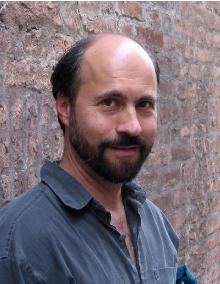
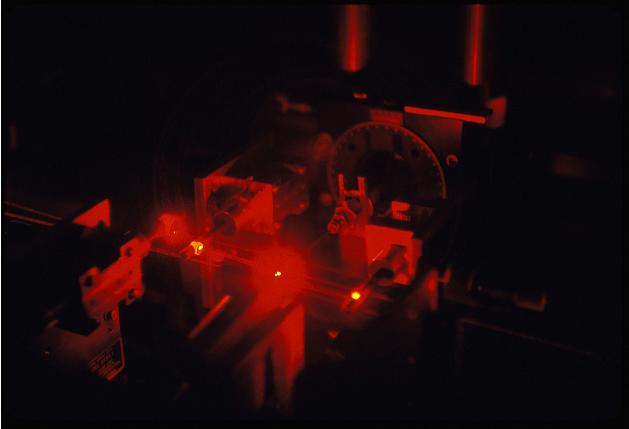
Since 1987 Dave has been an experimental physicist at Lawrence Livermore Nat Lab, developing optical diagnostic techniques for shock physics, astronomy, high resolution spectroscopy and high speed recording. Has invented many techniques in broadband interferometry and signal processing whereby ordinary white light is used in applications normally reserved for coherent laser illlumination. He is an expert in Fourier and interferogram analysis, and the use of heterodyning to improve the performance of scientific instruments. |
||||||
|
|
|
|
|
|
|
|
|
|
|
||||||||||||||||||
 |
||||||||||||||||||
|
||||||||||||||||||
 |
||||||||||||||||||
 |
||||||||||||||||||
|
||||||||||||||||||
|
||||||||||||||||||
|
||||||||||||||||||
|
|
|
|
|
|
|
|
|
|
|
|
|
|
|
|
|
||
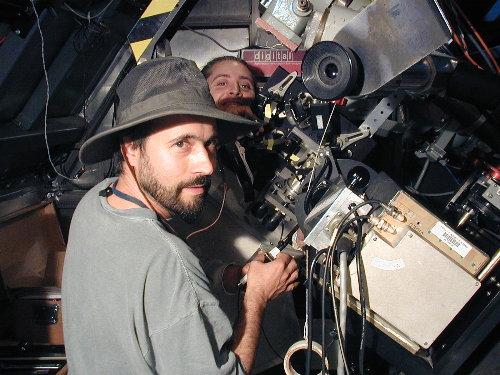
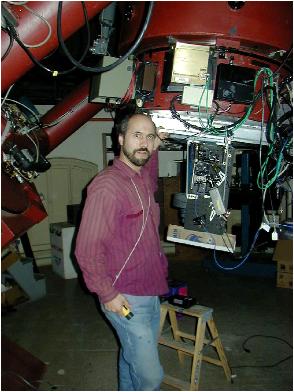
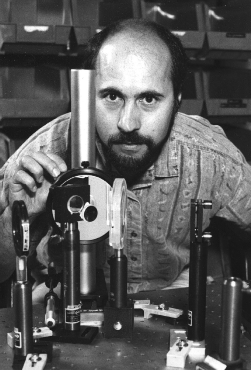
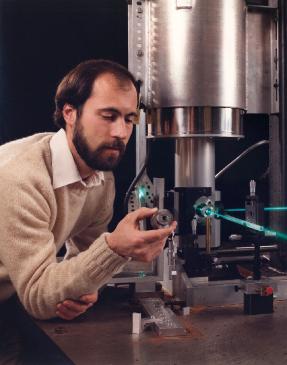
|
|
|
www.SpectralFringe.org site maintained by |
||
|
|
|
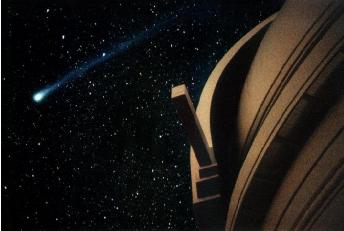
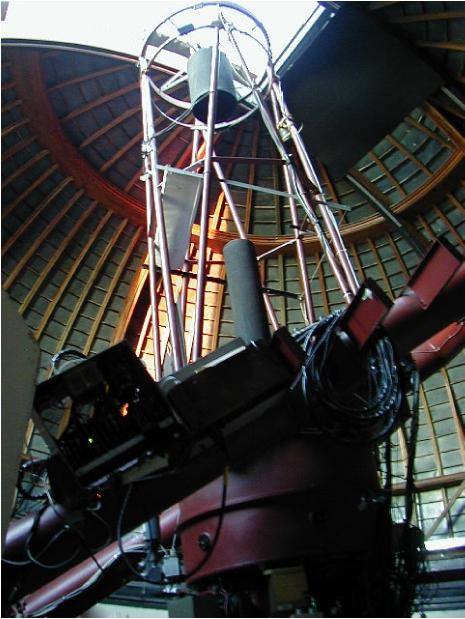
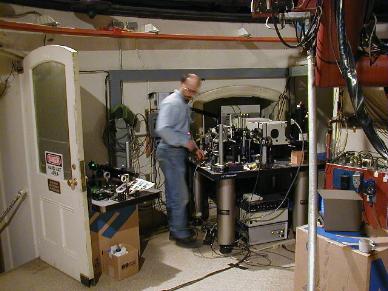
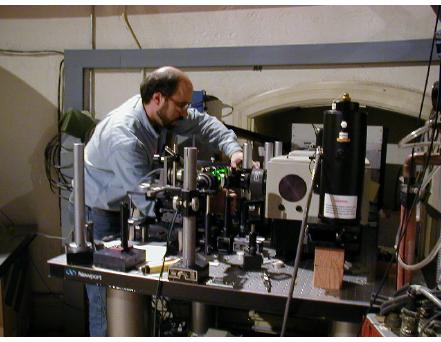
Since 1997 Dave has been applying novel interferometric techniques to astronomy, to find exoplanets by using a Doppler interferometer to detect the slight wobble in a star due to an orbiting planet.
Since 1995 Dave has been inventing new methods of white light interferometry. That is, to perferm the precision measurement techniques of interferometry, normally used with coherent light, but now with incoherent light.
n the early 1990's Dave demonstrated the shockwave conversion of graphite to crystalline diamond, and measured the high shock pressure behavior of sapphire and other materials.
In the late 1980's as a post doctoral researcher at UC Berkeley he measured the superconducting properties of silicon compressed in diamond anvil cells to high pressure.
In the early 1980's as a graduate student at Cornell Univ. he measured the high speed optical properties of semiconductors using femtosecond lasers and developed novel pulse correlation techniques.
